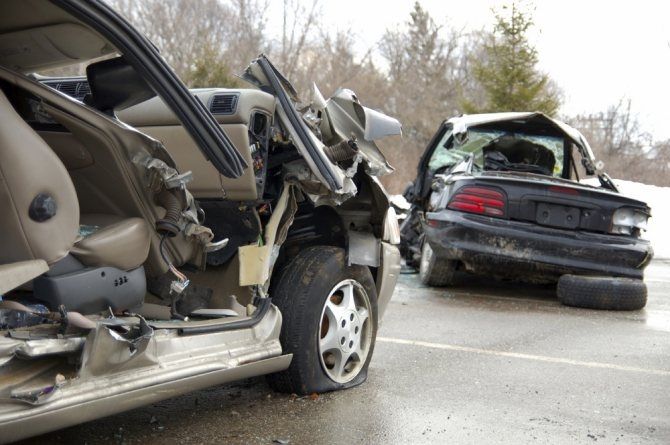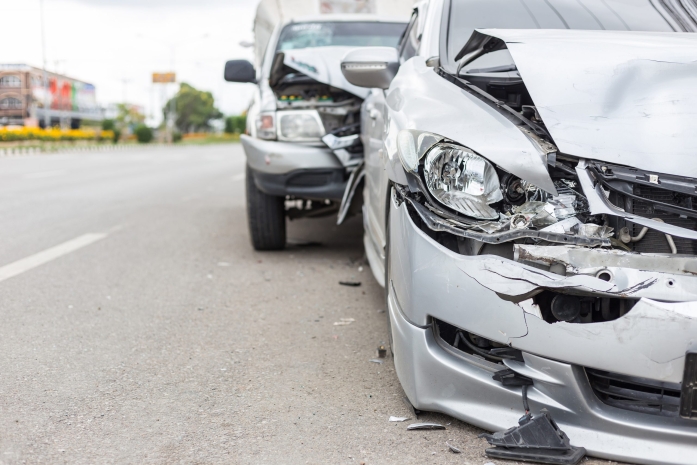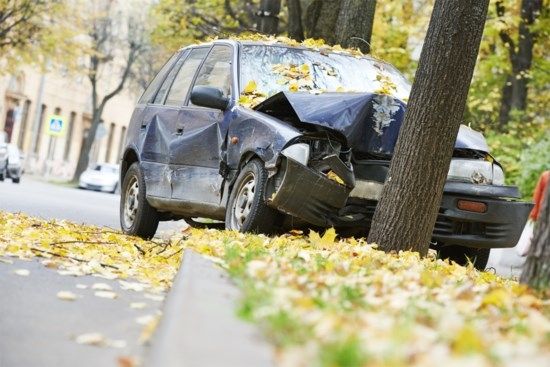
The salvage value of a car is the amount it can sell for in its damaged, as-is condition. It reflects usable parts, repair potential, scrap metal, and local buyer demand. It is different from the car's actual cash value (ACV) before the accident and from the insurance payout you receive.
To calculate the salvage value of your car, compare written offers for that exact vehicle and, when available, recent sold prices for similar damaged cars. There is no universal 25% or 75% formula. Below, we explain how to estimate a wrecked car's value, check an insurer's salvage deduction, and decide whether keeping or selling it makes financial sense.
What Is the Salvage Value of a Car?
After a crash, flood, fire, or major mechanical failure, a vehicle may still have value to a rebuilder, dismantler, or recycler. An intact engine, transmission, body panels, wheels, and electronics can affect the offer. A newer vehicle with repairable damage can attract different buyers than an older car destined mainly for recycling.
You do not need an insurance claim to get a salvage offer. If a claim is open, however, confirm who will own the car after settlement before agreeing to sell it. If someone else was driving, our guide explains what happens if a friend wrecked your car.
Salvage Value vs. Scrap Value vs. ACV
| Value | What it measures | When to use it |
|---|---|---|
| Actual cash value (ACV) | The vehicle's market value immediately before the loss, considering mileage, equipment, condition, and comparable vehicles. | Reviewing a total-loss insurance valuation. |
| Salvage value | What the damaged vehicle is worth as it sits, for rebuilding, parts, or recycling. | Comparing as-is offers or an owner-retained salvage deduction. |
| Scrap value | A recycling estimate based mainly on recoverable materials and a local vehicle scrap rate. | Evaluating a vehicle with little repair or reusable-parts value. |
| Rebuilt-title resale value | What a repaired, legally retitled vehicle may sell for with its damage history disclosed. | Assessing whether a rebuild is financially worthwhile. |
These figures are not interchangeable. A salvage-title car that has already been repaired also needs a different comparison from an unrepaired wreck. In accounting, "salvage value" can mean an asset's expected value at the end of its useful life; that depreciation estimate does not establish a damaged car's current selling price.
How to Calculate the Salvage Value of Your Car in 5 Steps
1. Record the Vehicle's Details and Damage
Gather the VIN, year, make, model, trim, mileage, ZIP code, and title status. Take clear photos of every side, the interior, odometer, and damaged areas. State whether the car starts, runs, rolls, and steers, and whether major parts are missing. Include the repair estimate if you have one.
Disclose flood or fire exposure, deployed airbags, and structural damage. These details help buyers quote accurately and reduce the risk of an offer changing at pickup.
2. Estimate the Actual Cash Value Before the Loss
If you are asking how to calculate the ACV of a car, start with comparable vehicles in your local market. Match the year, model, trim, mileage, options, and pre-loss condition as closely as possible. Kelley Blue Book and other valuation guides can provide context, but an online estimate is not an insurer's final valuation.
Do not automatically average a retail price and a trade-in price to calculate ACV. They represent different selling situations. For an insurance claim, request the valuation report and review its comparable vehicles, equipment, mileage, and condition adjustments. Advertised asking prices are useful evidence, but may differ from completed sale prices.
3. Compare Similar Damaged Vehicles and Written Offers
Look for recent completed salvage sales with comparable damage, title status, location, and mechanical condition. An auction's current bid or a seller's asking price is not a confirmed sale. Auction fees and transportation can also make the headline number different from what a seller receives.
Request two or three written offers from buyers who can purchase your car in its current condition. Ask whether towing is included, what documents are required, how long the offer is valid, and which conditions could change it. For a practical starting point, use our totaled car value calculator, then confirm the amount with a vehicle-specific quote.
4. Calculate the Net Amount You Would Receive
Net salvage sale proceeds = agreed purchase price − seller-paid towing − seller-paid fees.
Compare offers after costs, rather than choosing the highest advertised price. If there is a loan or a storage bill, account for it separately when working out how much money remains for you.
| Illustrative offer | Gross price | Seller-paid costs | Net proceeds |
|---|---|---|---|
| Buyer A | $1,500 | $200 towing + $75 fees | $1,225 |
| Buyer B | $1,350 | $0 towing and fees | $1,350 |
| Buyer C | $1,400 | $100 towing | $1,300 |
These are invented examples to show the calculation, not market averages or guaranteed JunkCarsUs offers. Buyer B leaves the seller with the most money in this comparison.
5. Use a Percentage Only to Describe the Result
Salvage value percentage = supported as-is value ÷ pre-loss ACV × 100. For example, a $2,400 salvage offer on a vehicle with a $12,000 pre-loss ACV equals 20%. That percentage describes this example; it does not mean another totaled car is worth 20% of its ACV.
Do not calculate salvage value simply by subtracting repair costs from ACV. Repair costs can exceed ACV while the vehicle still has valuable parts. A buyer also considers repair risk, title history, transport, and the price it could realistically resell for.
How Much Is a Totaled Car Worth?
A totaled car has two relevant values: its market value before the loss and its selling value after the damage. The insurance settlement generally starts with the first; a salvage buyer evaluates the second. A vehicle can be an economic total loss even if it still starts and drives.
| Factor | Why it affects salvage value |
|---|---|
| Year, make, model, and mileage | Influence demand for replacement parts and the economics of rebuilding. |
| Type and extent of damage | Structural, flood, fire, and airbag damage can increase repair risk or reduce reusable components. |
| Engine, transmission, and other parts | Complete, usable components can support an offer above a metal-only estimate. |
| Title and ownership documents | Brands, liens, and missing paperwork can limit buyers or delay transfer. |
| Location and pickup access | Transport distance, locked wheels, and difficult loading can affect a buyer's costs. |
| Local demand and metal prices | Offers change with parts demand and recycling conditions. |
There is no single nationwide price per ton that accurately values every junk car. For a metal-based estimate, use vehicle weight in pounds ÷ 2,000 × the quoted rate per U.S. ton, only if the buyer quotes on that basis. A hypothetical 3,200-pound vehicle at $150 per U.S. ton gives $240 before adjustments. This is an arithmetic example, not a current rate; whole-vehicle weight includes materials that are not recoverable metal.
Our scrap car value calculator helps you estimate a recycling scenario. Get a complete-vehicle offer as well if the car has usable parts or repair potential. Businesses calling themselves junkyards and salvage yards can both buy for parts and recycling, so compare their actual offers.
How Insurance Companies Calculate Salvage Value and Total Loss
Insurers may use salvage bids, auction information, and vehicle-specific assessments to estimate the damaged vehicle's recoverable value. Ask the adjuster to explain the amount used in your claim, especially if you intend to keep the car.
The total-loss threshold is a separate issue. Some states use a damage percentage, while others apply a total-loss formula that considers repair costs and salvage value against ACV. Applicable law, policy terms, and the facts of the loss matter. A 75% threshold is not a 75% salvage valuation, and there is no nationwide rule that insurers total cars once repairs reach 25% of market value.
Example: Insurance Payout If You Keep the Car
If owner retention is allowed, the insurer generally deducts the salvage value because it will not receive the damaged car to sell. The Texas Department of Insurance describes this deduction in its consumer guidance. Your settlement may also include applicable taxes and fees or other itemized adjustments, depending on state rules and coverage.
Simplified owner-retained payout = ACV − applicable deductible − salvage deduction. The example below excludes taxes, fees, prior payments, and other adjustments.
| Item | Insurer keeps the car | You keep the car |
|---|---|---|
| Pre-loss ACV | $12,000 | $12,000 |
| Applicable deductible | −$500 | −$500 |
| Salvage deduction | $0 | −$2,400 |
| Illustrative claim payment | $11,500 | $9,100 plus the damaged vehicle |
The $2,400 deduction is not additional cash paid to you. If you later sell the retained car for $2,000, the combined amount would be $11,100 before any selling costs or other adjustments. That is $400 less than the $11,500 settlement in which the insurer keeps it.
If a lender has a lien, payment may go to the lender, you, or both. A loan payoff affects what remains for you; it does not determine the car's ACV or salvage value. Ask the lender and insurer whether retention is possible before committing to it.
What to Do If the Salvage Deduction Seems Too High
- Request an itemized settlement showing ACV, deductible, salvage deduction, and other adjustments.
- Ask what bid or valuation supports the salvage amount and whether that buyer would actually purchase your vehicle on the stated terms.
- Get comparable written as-is offers with towing and fees disclosed.
- Challenge incorrect mileage, trim, equipment, or damage descriptions with supporting records and photos.
- Review your policy's dispute or appraisal process and contact your state insurance department if you need help understanding your options.
Do not assume that subtracting any insurance check from ACV reveals salvage value. Deductibles, taxes, fees, payments to a lienholder, and other adjustments can change the check amount.
Should You Keep, Repair, or Sell a Salvage Car?
Before keeping the car, compare the salvage deduction with a realistic as-is sale price and the full cost of repair. Include transport, storage, inspections, title fees, potential hidden damage, and insurance availability. Get a qualified repair assessment before deciding a damaged vehicle is safe to use.
Title rules vary by state. Repairing a salvage vehicle does not erase its history or automatically restore a clean title. Some vehicles may qualify for a rebuilt title after required repairs and inspections; a nonrepairable or junk designation can prevent a return to road use. Confirm your vehicle's status with the state motor vehicle agency before spending money on a rebuild.
If you decide to sell, first confirm that you own the vehicle and that the insurer has not taken ownership. Resolve liens and follow the required title transfer and damage-disclosure process. Keep your sale receipt and complete any required notice of sale or release of liability.
How to Sell a Salvage Car for Cash
At JunkCarsUs, we buy damaged vehicles and help owners arrange pickup and the required sale paperwork. To get an offer, provide your vehicle details, location, title status, and an accurate description of the damage. We arrange free pickup for vehicles we purchase; confirm the offer and collection details before accepting.
You can contact us for a vehicle-specific quote or learn more about how to sell a salvage title car. Compare the net offer with other available buyers and, if a claim is involved, with the insurer's salvage deduction before choosing what works best for you.
Salvage Car Value FAQ
How do I calculate the salvage value of a totaled car?
Compare written as-is offers for your exact vehicle and recent completed sales of similarly damaged cars. Account for title status, location, towing, and fees. A fixed percentage of pre-loss value cannot reliably establish a salvage price.
Is salvage value always 25% of ACV?
No. Salvage value depends on the damaged vehicle and buyer demand. A total-loss percentage threshold is a separate concept and should not be used as a salvage-value multiplier.
Can Kelley Blue Book tell me the salvage value of my car?
A standard used-car guide can help you research pre-loss market value, but it does not establish the selling price of a particular unrepaired wreck. Use vehicle-specific salvage offers and comparable damaged-vehicle sales for that.
What is the difference between salvage value and an insurance payout?
Salvage value is what the damaged vehicle is worth. A covered total-loss settlement generally starts with pre-loss ACV and applies the deductible and other relevant adjustments. Keeping the car usually adds a salvage deduction.
Can I sell a car after an accident?
Yes, if you own it and can complete the required transfer and disclosures. Confirm the insurance settlement and any lien release first. You cannot separately sell a vehicle after ownership has transferred to the insurer.
Do I have to pay for pickup when selling to JunkCarsUs?
We arrange free pickup for vehicles we purchase. Confirm the agreed price, vehicle condition, required paperwork, and pickup access before scheduling collection.

 Like
 x.com