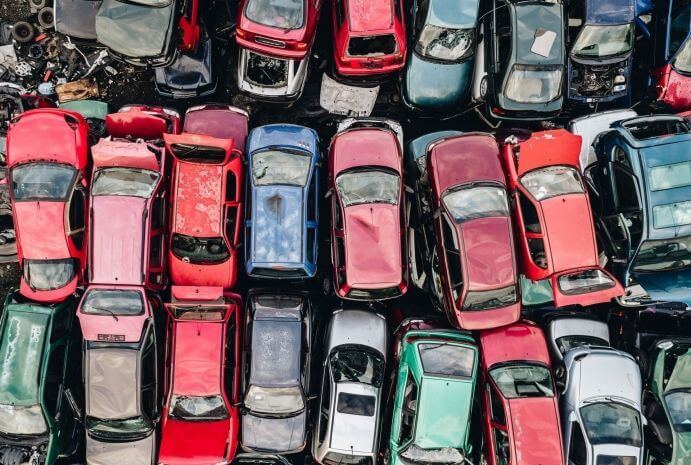
A junkyard may pay a few hundred dollars for a complete older car, but there is no fixed price for every vehicle. As one public reference, Pull-A-Part lists around $250–$500 for junk cars. A stripped shell can bring less; a heavier vehicle or a car with desirable reusable parts can bring more. Your year, make, model, ZIP code, condition and missing parts matter more than a generic average.
If you are asking “how much would a junkyard pay for my car?”, start with a vehicle-specific quote and compare the amount you will actually receive after pickup and any deductions. Below, we explain what changes that number and how to decide whether to scrap, sell for parts or sell the car as-is.
How Much Do Junkyards Pay for Cars?
There is no verified nationwide average that applies to every junk car. Published buyer guides give a starting point, not an appraisal. Pull-A-Part's public guide lists $250–$500 and says it considers weight, completeness and major damage. That range was checked for this update on October 31, 2026; it is not a live local rate or a guaranteed JunkCarsUs payout.
| Vehicle condition | What the buyer is valuing | What to expect from the quote |
|---|---|---|
| Complete older car with little resale potential | Scrap weight plus any recoverable parts | A few hundred dollars can be a useful starting expectation; get a local offer. |
| Non-running car with engine and transmission attached | Metal and reusable components | Not automatically scrap-only; demand for parts can raise the offer. |
| Stripped shell or car missing major components | Remaining material and pickup difficulty | Usually worth less than the same car complete. |
| Heavy truck, SUV or van | More material, plus model-specific parts | May bring more than a lighter car, depending on completeness and local demand. |
| Newer damaged car or repairable vehicle | Salvage, repair or resale potential | Get a salvage-buyer offer before accepting a scrap-only price. |
| Running car with a usable title | Potential continued use or resale | Compare a private as-is sale and trade-in as well as junkyard offers. |
These are valuation scenarios, not records of completed sales. For metal pricing context, see our scrap car prices. For an initial estimate, try the scrap car value calculator, then confirm the actual offer with a buyer.
How Do Junkyards Calculate a Car's Value?
A buyer may plan to crush the car, dismantle it for parts or resell it for repair. Those plans can produce different offers for the same vehicle. Kelley Blue Book and used-car listings can help with a repairable car's resale value, but they do not tell you what a local recycler will pay.
Scrap Weight vs. Reusable Parts
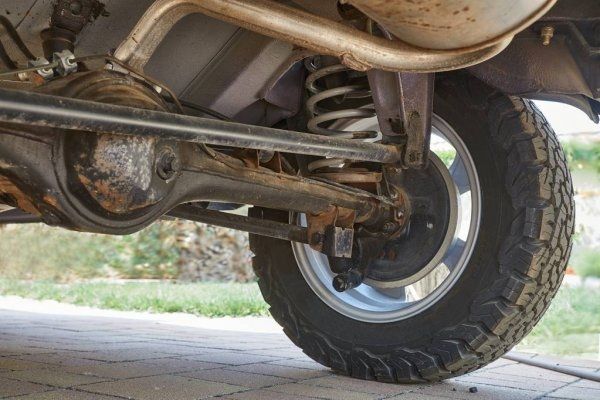
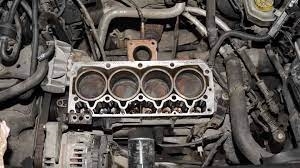
A scrap-focused yard looks closely at weight and its local complete-vehicle rate. A salvage yard may also value an intact transmission, body panels, wheels, electronics or an original catalytic converter. A working engine can help, but a car does not have to run to contain valuable parts.
Do not add full retail used-part prices to a scrap estimate. The buyer still has to remove, test, store and sell those parts, and some may never sell.
Make, Model, Year and Condition
A common model can have a large market for replacement parts. A newer damaged car may retain substantial salvage value, while a rare older model may interest a specialist or collector. Mileage, collision damage, rust, flooding and fire damage can change which components are recoverable. Describe the actual condition rather than just calling the car “junk.”
Completeness and Pickup Access
Missing engines, transmissions, wheels, batteries or catalytic converters can reduce an offer. Tell the buyer if the car cannot roll, steer or brake, has locked wheels, sits in a garage or requires special equipment to reach. A quote based on easy driveway access may not account for a difficult recovery.
Location and Local Buyer Demand
Your ZIP code affects towing distance and access to nearby recyclers. Local parts demand and metal prices also vary. When searching for junkyards near you, compare the final payout from buyers serving your location rather than applying another state's advertised price.
How to Estimate Junk Car Value by Weight
Ask the yard for its complete-car purchase rate, how it determines payable weight and whether pickup is included. A published steel commodity price is not automatically the rate paid for a whole vehicle: a car also contains glass, plastics, fluids and other materials.
Illustrative weight-based estimate = payable weight in pounds ÷ 2,000 × the yard's rate per U.S. short ton.
One U.S. short ton equals 2,000 pounds. Confirm the unit before comparing rates; some yards quote per 100 pounds, and a metric tonne is different. Use curb weight only as a rough starting estimate when you do not have an accepted scale weight.
| Example vehicle weight | Short tons | At a hypothetical $150/ton | At a hypothetical $200/ton |
|---|---|---|---|
| 2,500 lb | 1.25 | $187.50 | $250 |
| 3,500 lb | 1.75 | $262.50 | $350 |
| 5,000 lb | 2.50 | $375 | $500 |
Calculation examples prepared October 31, 2026. The $150 and $200 rates are hypothetical inputs, not current market quotes. Figures assume the full listed weight is payable at that rate and exclude any separate additions or deductions.
For example, a 3,500-pound car at an agreed $200-per-ton complete-car rate gives a $350 weight-based estimate. A dismantler might offer more for usable parts. Another buyer might offer less after pickup or completeness adjustments. Ask whether those adjustments are already included so you do not subtract towing twice.
Compare the Final Payout, Not Just the Advertised Offer
Net payout = quoted purchase price minus any charges that are not already included. Get the amount and conditions in writing before you schedule removal.
| Illustrative quote | Pickup and deductions | Money you receive |
|---|---|---|
| Buyer A offers $450 | $100 towing charge | $350 |
| Buyer B offers $400 | Pickup included, no other deductions | $400 |
| Buyer C offers $500 delivered | You pay $150 to transport the car | $350 after transport |
These are hypothetical comparisons, not customer transactions or JunkCarsUs offers. Buyer B pays more in this example even though its headline quote is lower.
- Is this the final amount for my car in the condition I described?
- Are towing, loading and paperwork charges included?
- What could change the price at pickup, and how long is the quote valid?
- What documents do I need, and who is the purchasing business?
- When and how will I be paid?
Is Selling to a Junkyard the Best Option?
A junkyard can be convenient when repair costs are difficult to justify, the vehicle has little resale demand or you need a non-running car removed. It is not automatically the highest-paying route for every older car.
- Sell to a recycler: useful for a complete end-of-life vehicle when you want a straightforward sale and removal.
- Compare a salvage buyer: worthwhile for a newer wrecked car or one with valuable undamaged components.
- Consider a private as-is sale: a repairable or running car may sell for more, but listings, inspections, negotiations and transport take time.
- Check trade-in value: if you are replacing a usable car, compare the full dealership transaction rather than just the trade-in allowance.
- Ask a specialist: a collectible vehicle may deserve an appraisal before it is scrapped.
Do not pay for repairs just to chase a higher junkyard offer without checking the difference first. Spending $600 on a repair to increase an offer by $200 leaves you worse off.
How to Get the Most Cash for Your Junk Car
- Prepare accurate details. Have the year, make, model, VIN, mileage and ZIP code ready. Explain whether it starts, runs and drives, and list damage or missing components.
- Take clear photos. Show the exterior, interior, damage and access to the vehicle. Accurate information reduces surprises at pickup.
- Get two or three offers close together. Use the same vehicle details for each buyer because prices and demand can change.
- Keep the car complete until you compare options. Removing parts can lower the whole-car offer and complicate towing.
- Compare net proceeds. Include transport, fees and your time. Check the buyer's reputation and ask about any unclear conditions.
- Confirm paperwork and payment before pickup. Keep a receipt identifying the buyer, vehicle, date and agreed amount.
Documents and Pickup: What to Confirm Before You Sell
Have your title and identification ready, and tell the buyer about a missing title or outstanding lien before booking. Requirements vary by state and vehicle; do not assume that every buyer can accept a car without a title or that a bill of sale replaces one. Our guide to selling a car without a title explains what to check.
Confirm your state's title-transfer, plate and sale-notification requirements with its motor vehicle agency. The buyer can guide the transaction, but you may still have seller responsibilities. Remove personal belongings, toll tags and saved personal data, and handle plates and insurance according to the applicable rules and completed transfer.
Before the tow truck arrives, make keys available if you have them and clear a safe path to the car. Do not drive an unsafe vehicle to a yard to save a pickup charge.
Get a JunkCarsUs Offer for Your Car
Ready to find out what your car could bring? Contact JunkCarsUs with your vehicle details and location. We buy cars in a range of conditions and offer free junk car removal. Confirm the final offer, payment arrangements and pickup access before accepting. Same-day pickup may be available depending on your location and scheduling.
If you are comparing selling a car to a junkyard with other options, use the questions above to compare like-for-like offers. JunkCarsUs can provide a vehicle-specific quote so you can make that decision with an actual number.
FAQ
How much will a junkyard give me for my car?
A complete older car may bring a few hundred dollars. Pull-A-Part publishes a $250–$500 guide range, but it is not a nationwide average or a JunkCarsUs offer. Weight, usable parts, missing components, location and pickup costs can move your quote below or above that range.
How much do junkyards pay for cars that do not run?
A non-running car can still have value in its body panels, wheels, catalytic converter and other reusable parts. Explain why it stopped running and whether the engine and transmission are present. A parts buyer may offer more than a yard buying only for scrap weight.
Can I get $500 or $1,000 for a junk car?
It is possible, but neither amount is guaranteed. A heavier, complete vehicle or a model with valuable reusable parts may attract a stronger offer. An incomplete shell may bring much less. Compare offers for your actual vehicle instead of relying on an advertised maximum.
Will a junkyard buy a car without a title?
Requirements depend on your state, the vehicle and the buyer. Ask what proof of ownership is accepted before arranging pickup. A missing title or an unresolved lien can delay or prevent a sale; do not assume a bill of sale alone is enough.
Should I remove parts before selling my car?
Get a complete-car quote first. Removing an engine, transmission, wheels or catalytic converter can reduce the offer and make pickup harder. Compare the extra money from selling parts with the reduced whole-car offer, tools, time and transport costs.
Do junkyards charge for towing?
Some buyers include pickup; others charge or pay a different amount for delivered vehicles. Ask for the final amount you will receive after towing and all deductions. JunkCarsUs offers free junk car removal; confirm access conditions and pickup details when accepting your offer.
How do I get the highest possible price for a junk car?
Request two or three written quotes using the same condition details and compare the final payout after fees. Keep the vehicle complete, disclose missing parts and ask whether the buyer values reusable components. Also consider a private as-is sale if the vehicle has repair or resale potential.

 Like
 x.com