A branded title is a vehicle title with an official label recording an important event or condition in the car's history. Salvage, rebuilt, flood damage, manufacturer buyback, and odometer discrepancies are common examples. A branded title can affect a car's value, registration, insurance, and resale options, but the exact brand matters more than the umbrella term.
Whether you are buying a used car or trying to sell one you already own, start with the title wording, the VIN history, and your state's requirements. A repaired salvage car and a manufacturer buyback can have very different risks.
What Is a Branded Title?
A state motor vehicle agency adds a title brand to identify a vehicle's history. It may reflect a serious collision, water damage, a prior total loss, a warranty buyback, or uncertain mileage. Some states also record prior taxi or police use. Not every branded title means the car was wrecked, and not every damaged car receives a brand.
For the basics of ownership paperwork, see our guide to what a car title means. Here, the focus is what a brand changes for buyers and sellers.
Branded Title vs. Salvage, Rebuilt, and Clean Title
Salvage and rebuilt are types of branded titles. “Branded” alone does not tell you whether a vehicle can be registered or driven.
| Title status | What it means | What to check |
|---|---|---|
| Clean title | No recorded title brand of the kind discussed here. | A car with a clean title can still have accident damage, repairs, or a lien. Check its history and condition. |
| Salvage title | The vehicle meets the issuing state's salvage criteria, often following a total loss. | It generally cannot be registered for ordinary road use until the state's rebuilding requirements are met. |
| Rebuilt, reconstructed, or rebuilt/restored | A previously salvage vehicle has completed the applicable process for returning to road use. | Confirm registration eligibility, repair quality, and insurance. The prior salvage history remains relevant. |
| Other branded title | May identify flood damage, a buyback, mileage issues, or another recorded condition. | Read the specific brand and ask the destination state's DMV how it affects transfer and registration. |
Types of Branded Titles Explained
- Salvage: Usually follows damage or another event that meets state salvage rules. An insurer may total a car even when repairs would cost less than its full pre-loss value; there is no single nationwide percentage.
- Rebuilt or reconstructed: Describes a vehicle returned from salvage status through the state's required process. Inspection scope varies and may include identity, parts documentation, or safety checks. Passing is not a warranty that every repair is sound.
- Flood or water damage: Records qualifying water damage. Corrosion and electrical faults can develop after a car appears dry. Ask how high the water reached and whether it was saltwater.
- Lemon law buyback or manufacturer buyback: Indicates a qualifying manufacturer repurchase, often tied to warranty problems. Review the original defect, repair records, and applicable disclosures rather than assuming collision damage.
- Not actual mileage or odometer discrepancy: Means the displayed mileage cannot be relied on as the true distance traveled. It does not, by itself, prove intentional rollback. “Exempt” mileage disclosure is also not the same as proven odometer fraud.
- Hail damage: May be recorded separately or lead to another title status, depending on state rules. Do not assume all damage is cosmetic; check glass, water leaks, and related repairs.
- Junk, nonrepairable, or parts only: Can prohibit returning the vehicle to road use. Do not buy one for a rebuilding project until the DMV confirms what that exact designation allows.
How Are Branded Titles Assigned?
For a damaged vehicle, an insurer may assess its pre-loss value, repair estimate, and salvage value to decide whether it is a total loss. The state titling agency applies the appropriate title status under its rules. Owners and other parties may also have reporting duties; branding does not always begin with an insurance claim.
Other brands arise through different events, such as a manufacturer buyback or a mileage discrepancy. An insurance total-loss record and a state title brand are related pieces of information, but they are not interchangeable. Review both.
How to Check a Car for a Branded Title
- Match the VIN. Compare the VIN on the title with the vehicle's dashboard and door label. Confirm the seller is the named owner or has documented authority to sell.
- Read the title and official record. Look for brands, remarks, mileage statements, and liens. Paper titles and electronic records differ by state. Ask the issuing DMV about unclear wording.
- Get an NMVTIS vehicle history report. Use an approved provider listed through the official National Motor Vehicle Title Information System website. Its reports focus on title, brand, odometer, total-loss, and salvage information.
- Compare other records. Carfax or AutoCheck may add reported accidents, service entries, or other details. No history report guarantees every incident was reported, and NMVTIS is not a complete repair history.
- Arrange an independent inspection. Have a mechanic and, where appropriate, a collision repair specialist assess structural repairs, airbags, electrical systems, corrosion, and evidence of flood damage.
The official NMVTIS report guide explains what its reports include. A VIN check and an inspection answer different questions; use both before paying for a car.
State Variations and Out-of-State Titles
States use different brand names, damage criteria, rebuilding procedures, and disclosure requirements. A percentage taken from a general total-loss chart may not describe every vehicle or claim. Check the current DMV rules for the issuing state and the state where you plan to register the car.
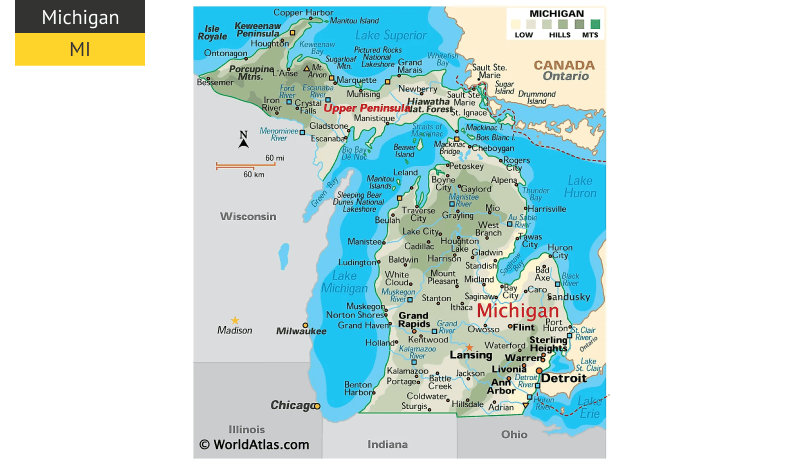
For example, California uses a “Salvaged” history brand, while Utah uses “rebuilt/restored” for qualifying repaired salvage vehicles. Moving a car across state lines does not undo its damage or make its previous records irrelevant.
Title washing means concealing a vehicle's adverse title history, including by exploiting differences between state records. If the current title looks clean but a report shows an earlier brand, stop and resolve the discrepancy with the DMV. A recently issued out-of-state title is a reason to investigate, not proof of fraud.
Can You Insure or Finance a Branded Title Car?
The answer depends on the brand, the vehicle, and the provider. A salvage vehicle generally must complete the applicable rebuilding and registration process before it can be insured for normal road use. Insurers may accept rebuilt vehicles but restrict available coverage or require inspection and repair documentation.
Before buying, give the insurer the VIN and exact title status. Ask about liability, comprehensive and collision availability, deductibles, and how a future total-loss payout would be valued. A quote for a clean-title version of the model is not enough.
Financing can also be harder to arrange. Confirm that the lender accepts the specific title status and that you can obtain any required insurance before paying a nonrefundable deposit.
Should You Buy a Car with a Branded Title?
A lower purchase price can be attractive, but it needs to compensate for repair uncertainty, coverage restrictions, and a smaller resale market. There is no reliable discount percentage that fits every branded vehicle.
- Consider it only after verification: the brand is explained, repairs are documented, an independent inspection is satisfactory, and registration and insurance are confirmed.
- Compare total costs: purchase price plus tax, transport, remaining repairs, inspections, and registration. Leave room for unexpected work.
- Walk away from unresolved problems: mismatched VINs, missing ownership documents, an unexplained mileage discrepancy, pressure to skip inspection, or a promise to erase the brand.
For a seller, these same concerns explain why photographs, repair invoices, and accurate disclosure matter more than describing a car as “like new.”
How Much Is a Branded Title Car Worth?
Value depends on the exact brand, make, model, age, verified mileage, current condition, repair quality, and local demand. Compare vehicles with a similar title history rather than taking a fixed percentage off clean-title listings. Asking prices are not confirmed sale prices.
A running rebuilt car may attract a different buyer from an unrepaired salvage vehicle. For a car being sold for parts or recycling, reusable components, completeness, weight, location, and pickup costs also matter. Use our scrap car value calculator as a starting point, then get a vehicle-specific offer.
How to Sell a Car with a Branded Title
- Confirm ownership and title status. Gather the title, identification, repair records, and any required lien release. Ask the DMV about missing paperwork before arranging a transfer.
- Disclose the brand and known condition. Describe whether the car runs, its damage, and its repair history. Follow your state's written disclosure and odometer requirements.
- Compare realistic selling options. A documented rebuilt vehicle may suit a private buyer or a dealer that accepts it. An unrepaired salvage or non-running car may be better suited to a salvage buyer or recycler.
- Compare net offers. Confirm towing charges, payment terms, paperwork requirements, and whether the offer depends on the stated condition being accurate.
- Complete the transfer. Keep copies of signed documents and follow state rules for plates, seller notifications, and release of liability.
We buy salvage and rebuilt title cars, including vehicles that no longer run. Tell us the VIN, title brand, condition, and pickup location so we can confirm the required documents and give you an offer. We provide free towing for accepted vehicles. You can request an offer online before deciding whether further repairs make sense.
Can You Remove or Clear a Branded Title?
Repairing a vehicle does not erase a legitimate title brand or its history. A qualifying salvage vehicle may complete a state's process for rebuilt status, but this does not turn it into a never-damaged clean-title car. Some nonrepairable designations do not allow that route at all.
A brand applied in error is a different situation. Contact the state agency that recorded it and ask what evidence is needed for a correction. The Texas DMV Title Check guidance explains how to investigate a disputed brand. Never alter a title or VIN, and avoid anyone selling a guaranteed “clean title” service.
Branded Title FAQ
Does a branded title mean salvage?
Not always. Salvage is one title brand. Manufacturer buyback, flood damage, and mileage-related brands can have different meanings and consequences.
Is a branded title bad?
It is a signal to investigate. The risk depends on why the brand was applied, the car's current condition, and whether its records and repairs can be verified.
Can you drive a car with a branded title?
Some branded vehicles can be driven when properly registered, insured, and compliant with state requirements. A salvage certificate alone generally does not authorize ordinary road use.
Can you sell a branded title car without rebuilding it?
Often, yes, to an eligible buyer under the applicable state rules. You still need authority to sell, the required documents, and accurate disclosure. Confirm restrictions before arranging payment or pickup.
Does a replacement title remove the brand?
No. A duplicate replaces missing or damaged paperwork; it does not erase a valid title brand. If you suspect an error, request a review through the issuing agency.

 Like
 x.com