A car that shuts off while driving may have lost fuel delivery, ignition, an engine-speed signal, or electrical power. Airflow problems, overheating, and mechanical damage can also stall an engine. The best clue is what happened just before it stopped: did it sputter, lose all dashboard power, overheat, or restart after cooling down?
Get out of traffic safely first. Then use the symptoms below to decide what information to give a repair shop. A single stall does not automatically mean the engine is ruined, but a car that randomly shuts off should not be driven until the cause is understood.
What to Do If Your Car Shuts Off While Driving
- Keep control and switch on your hazard lights. Use the remaining momentum to move toward a safe shoulder or parking area when traffic allows. Steering and braking may require more effort if power assistance is lost.
- Brake steadily as needed. Avoid repeatedly pumping the brake pedal, which can use up the remaining brake assistance. Do not turn the ignition to LOCK or remove the key while moving.
- Once stopped, secure the vehicle. Select Park, or use the appropriate gear in a manual, and set the parking brake. Call roadside assistance. If you are stuck in a live lane or face an immediate danger, call 911.
- Choose the safest waiting place. If safely off the road, staying buckled inside may be safest. If there is fire, smoke, rising water, or a risk of being struck, move away from the vehicle and traffic when safe. Do not stand directly in front of or behind the car.
Do not keep trying to restart an engine that overheated, knocked loudly, lost oil pressure before stopping, ingested water, or smells strongly of leaking fuel. Never open a hot radiator or pressurized coolant cap. A jump-start is not a repair for a car that stalls from a charging-system failure.

Why Your Car Shuts Off While Driving: 8 Possible Causes
These causes apply mainly to conventional gasoline vehicles. Diesel, hybrid, and electric vehicles need model-specific diagnosis. The list is a starting point, not a way to identify a failed part without testing.
1. Fuel Delivery Problems
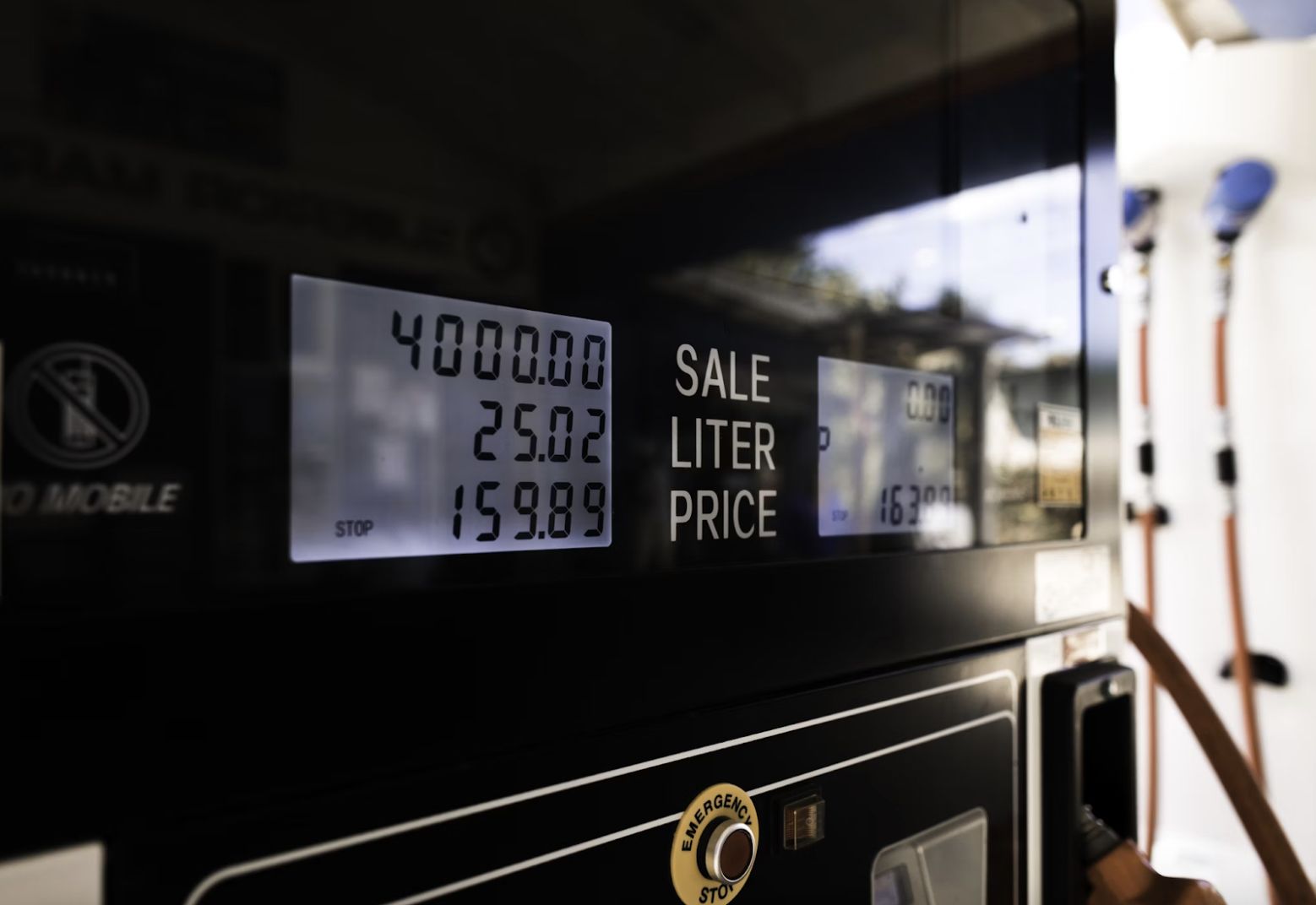
An empty tank, inaccurate fuel gauge, failing fuel pump, pump relay, restricted filter, or contaminated fuel can interrupt the fuel supply. The engine may hesitate or sputter before dying, especially during acceleration or uphill driving. A sudden pump or relay failure can also stop it without much warning.
What fixes it: verify the fuel level and have fuel pressure, delivery volume, and pump power tested against vehicle specifications. Low pressure does not automatically mean the pump is bad; wiring, a relay, or a filter can produce similar symptoms. Some filters are built into the tank module rather than being separate service parts. Leave pressurized fuel-system work to a qualified technician.
2. Alternator or Charging-System Failure
In a conventional car, the alternator supplies power while the engine runs and recharges the battery. If charging stops, the car may run briefly on stored battery energy, then stall as voltage falls. Dimming lights, electrical warnings, and a battery/charging light before the stall are useful clues.
What fixes it: test the battery, alternator output under load, drive belt, cables, and connections together. A weak battery by itself is less likely to stop a running engine when charging and connections are healthy. If you hear a clicking noise when you try to start the engine, low voltage or a poor connection is possible, but the sound alone is not a diagnosis. Never disconnect a battery cable with the engine running to test the alternator.
3. Loose Connections, Bad Grounds, or Lost Ignition Power
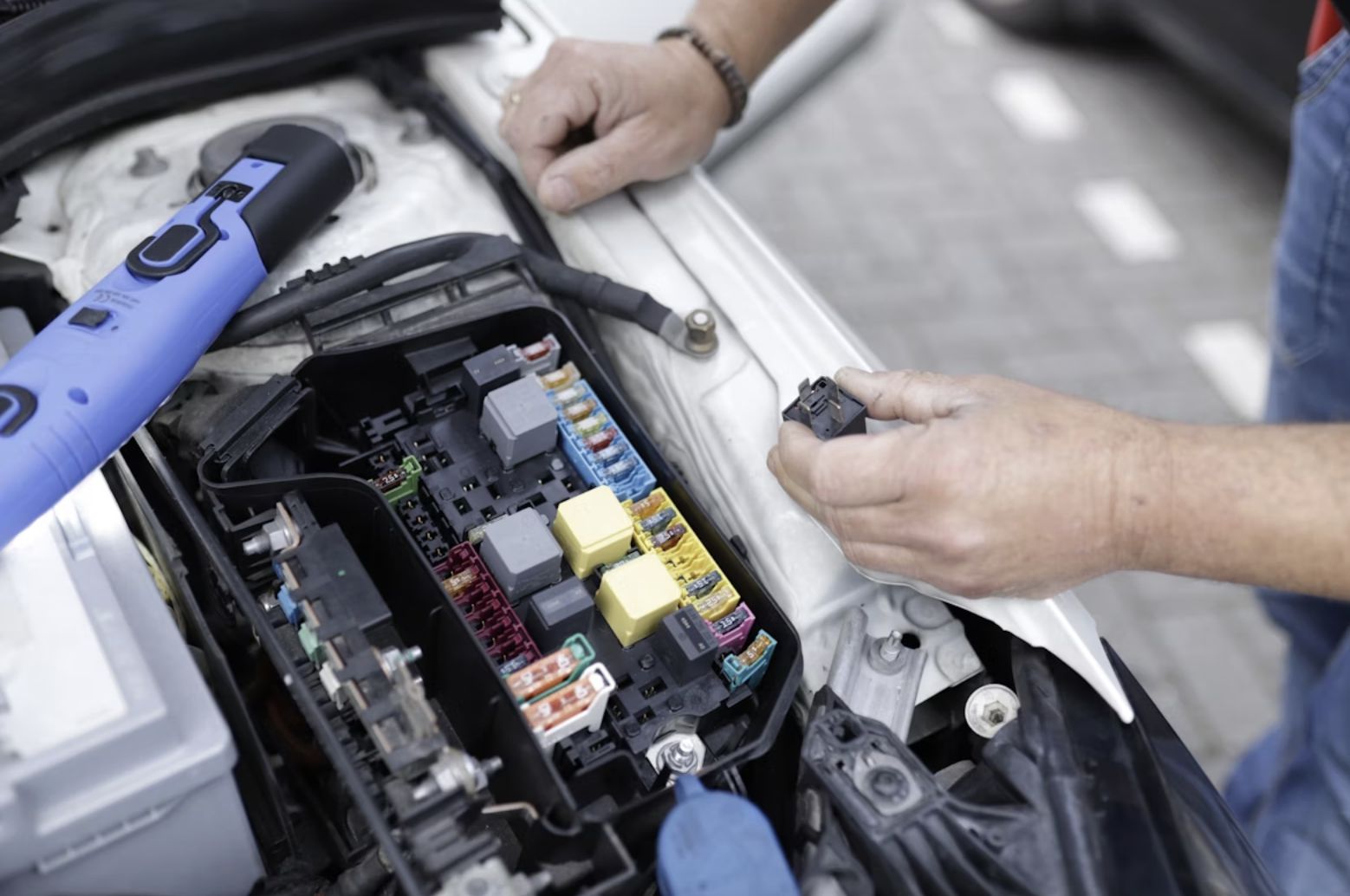
If the engine and dashboard go dark together, a loose terminal, damaged ground cable, main power connection, ignition switch, fuse, or relay deserves attention. Stalling over bumps can be a clue to an intermittent connection. If only the engine stops, an engine-control or fuel-pump circuit may still be at fault.
What fixes it: inspect the wiring and perform voltage-drop and circuit tests. A blown fuse can stop the engine and may signal a short or overloaded circuit. Do not bypass it or install a higher-rated fuse. ECU failure is possible, but power, grounds, wiring, and inputs should be checked before replacing an expensive control module.
4. Crankshaft or Camshaft Position Sensor Faults
These sensors help the engine computer coordinate injection and ignition. Depending on the vehicle and fault, a missing or erratic signal can cause a sudden stall, poor running, or a crank-but-no-start condition. Heat-related sensor or wiring faults may appear only after the engine warms up.
What fixes it: read stored and pending codes, check engine-speed data while cranking, and test the signal and wiring. A sensor-related code does not prove the sensor itself has failed. Some vehicles can keep running using another signal; others cannot. A check engine light is not guaranteed.
5. Ignition Coils or Spark Plug Problems
A gasoline engine needs a reliable spark. Worn plugs, failing coils, or loss of a shared ignition supply can cause misfiring, shaking, power loss, and sometimes stalling. One bad plug or individual coil usually causes a misfire rather than an instant shutdown of the whole engine.
What fixes it: diagnose the misfire and check shared power and ignition components before replacing parts. A flashing check engine light with rough running can indicate a misfire severe enough to damage the catalytic converter. Stop safely and arrange assistance instead of continuing the trip.
6. Airflow, Throttle, or Idle-Control Problems
A dirty throttle body, intake/vacuum leak, faulty airflow measurement, or an idle-air-control fault on vehicles equipped with one may make the engine stall as you slow down or release the accelerator. An EGR valve stuck open can disturb combustion and cause rough idle or stalling; EGR reduces nitrogen-oxide emissions rather than eliminating all emissions.
What fixes it: inspect intake hoses, fuel-trim data, throttle operation, and EGR function as applicable. Cleaning an electronic throttle body may require a specific procedure and relearn. Do not force its plate open or replace sensors solely because the engine stalls at idle.

7. Overheating or Loss of Lubrication
Coolant loss, a failed water pump, thermostat, radiator, cooling fan, or belt can lead to overheating. Severe heat or inadequate lubrication can damage the engine and cause it to seize. Do not assume the car will automatically shut itself down before damage occurs.
What fixes it: stop safely, shut the engine off, and arrange a tow if temperature or oil-pressure warnings appeared before the stall. Let the cooling system cool completely before any inspection. Adding coolant does not resolve the leak or prove the engine is safe to restart.
8. Timing, Internal Engine, or Transmission Faults
A failed timing belt or chain can stop the engine abruptly. Valve-to-piston contact is possible on interference engines, so repeated cranking can make things worse. Follow the manufacturer’s time and mileage interval for your specific timing belt; there is no universal replacement interval.
A broken connecting rod or other internal failure may cause knocking, seizure, oil loss, or a cracked engine block. In an automatic transmission, a torque-converter clutch that stays applied can stall the engine as the vehicle slows to a stop. Low fluid alone is not enough to diagnose that problem.
What fixes it: tow the vehicle for mechanical or transmission testing. A shop may need to check timing, compression, oil pressure, or converter-clutch operation before recommending repairs.
Match the Stalling Pattern to the Next Diagnostic Step
These patterns help narrow the investigation. Several faults can cause the same symptom, so use the table to prepare for diagnosis rather than order parts.
| What happens | Possible areas to check | Useful next check |
|---|---|---|
| Car shuts off while driving but starts back up | Intermittent fuel, sensor, ignition, or wiring fault | Save codes and freeze-frame data; note temperature and driving conditions |
| Dies hot; restarts after cooling | Heat-sensitive sensor, relay, coil, pump, or connection | Test fuel pressure and electrical signals while the fault is present |
| Stalls only when cold | Air leak, mixture control, temperature input, or idle control | Check cold-start live data and intake leaks |
| Engine stops but radio and lights work | Fuel, spark, engine-control signal, or mechanical fault | Check cranking behavior, fuel pressure, and ignition |
| All power cuts out, especially over bumps | Main cables, grounds, ignition switch, or power distribution | Inspect connections and perform voltage-drop tests |
| Stalls at a stoplight or when slowing down | Throttle/idle control, intake leak, EGR, or converter clutch | Check idle data and transmission operation |
| Sputters under acceleration, then dies | Fuel delivery or ignition misfire | Check fuel pressure under load and misfire data |
| Will not restart; knocking, overheating, or unusual cranking | Timing, lubrication, compression, or internal damage | Stop cranking and tow for inspection |
Warning lights after the stall can be misleading. With the ignition on and engine stopped, oil-pressure and charging lights often illuminate because the engine is no longer turning. Tell the technician whether the lights came on before or after the engine died.
How a Shop Diagnoses a Car That Randomly Shuts Off
- Record the conditions. Note speed, engine temperature, fuel level, weather, recent refueling or repairs, whether accessories stayed on, and whether it restarted.
- Read codes before clearing anything. Stored, pending, and freeze-frame data can help. Codes such as P0335 (crankshaft position sensor circuit), P0300 (random/multiple misfire), or P0171 (system too lean, bank 1) describe a fault to investigate, not a guaranteed replacement part.
- Check the basics. Inspect power and grounds, battery/charging performance, intake hoses, fluid leaks, and maintenance history.
- Test what is missing during the fault. Fuel pressure, spark, injector command, and engine-speed signals help separate overlapping causes. A clean code scan does not rule out intermittent stalling.
- Check the VIN for recalls. Ask the dealer or use the NHTSA recall lookup to check for an applicable safety repair. A recall for another model does not diagnose your car.
Do not try to reproduce a highway stall yourself. Ask the shop how it will verify the repair safely, especially when the problem happens only after the engine is hot.
How Much Can It Cost to Fix a Car That Shuts Off?
The cost depends on the confirmed fault, vehicle, and local labor rate. These U.S. national replacement estimates provide context, not a quote for diagnosing a stall.
| Confirmed repair | U.S. estimated cost | Before approving it |
|---|---|---|
| Crankshaft position sensor replacement | $230–$335 | Confirm the signal or sensor fault and inspect wiring |
| Alternator replacement | $809–$1,088 | Test the charging system, belt, battery, and cables |
| Fuel pump replacement | $1,344–$1,513 | Verify pressure, delivery, and pump power supply |
Source: RepairPal national estimates, updated September 3, 2026; checked October 30, 2026. Ranges include estimated parts and labor, exclude taxes and fees, and do not account for your location. Diagnosis, towing, and related repairs may cost extra. Your make, model, and engine can put the actual quote outside these ranges.
Ask for a written diagnosis and itemized estimate. A connection or relay fault can require a very different repair from a failed pump or engine, even when the initial symptom sounds the same.
Repair the Car or Sell It to JunkCarsUs?
A repairable sensor or connection fault can be worth fixing in an otherwise reliable car. If inspection finds major engine damage, repeated expensive faults, or other overdue repairs, compare the total repair cost with the car’s value after repair and a written as-is offer. Include towing, downtime, and your replacement-vehicle budget.
You can sell a car even if it’s still running, or ask JunkCarsUs about a non-running car. Do not drive an unreliable vehicle to a buyer; arrange pickup. To understand how much you can get for a junk car, have its year, make, model, location, mileage, title status, and known faults ready.
- Request an offer. Describe the stalling problem and vehicle condition accurately.
- Review the details. Confirm payment, pickup arrangements, and required ownership documents before accepting.
- Arrange pickup. JunkCarsUs offers free towing for vehicles it purchases. Documentation requirements depend on the vehicle and state.
Call (855) 547-1550 or fill out an online application to request an offer.
FAQ
Why does my car shut off while driving but start back up?
An intermittent loss of fuel pressure, an engine-speed signal, ignition power, or an electrical connection can stop the engine and then allow a restart. Heat or vibration may trigger the fault. Restarting does not prove the vehicle is safe to drive; have the stalling diagnosed before using it again.
Why does my engine die but the radio and lights still work?
The engine can lose fuel, spark, or a required sensor signal while accessories still receive power. Working lights do not rule out a charging-system or wiring problem. Note whether the starter cranks normally and have the engine and electrical systems tested.
Can a bad battery make a car shut off while driving?
A weak battery alone is less likely to stop a running conventional car when the alternator and connections work properly. A charging failure, internally damaged battery, loose terminal, or bad ground can disrupt engine power. Test the whole system before replacing parts.
Can I restart the car after it stalls?
First stop in a safe place. Do not restart if there is overheating, an oil-pressure warning before the stall, fuel leakage, smoke, knocking, floodwater exposure, or suspected timing damage. Otherwise follow the owner’s manual and roadside-assistance advice. Repeated stalling calls for a tow and diagnosis, even if the engine restarts.
Why does my car stall when I stop at a red light?
Possible causes include a dirty throttle body, an idle-control fault on an older engine, an intake leak, an EGR valve stuck open, or a torque-converter clutch that fails to release. Normal automatic stop-start operation should restart as designed; rough running, warning messages, or failure to restart needs inspection.
Can a car shut off while driving without a check engine light?
Yes. Some intermittent power, fuel, or mechanical faults do not immediately set a warning light. Stored or pending codes may still help, but a clean scan does not rule out a problem. Record the conditions of the stall and have the vehicle tested.

 Like
 x.com