A differential leak usually shows up as wet oil around the housing, fresh drips under an axle, or fluid near a wheel. If the level drops, whining, a burning smell, vibration, or binding can follow. A leaking seal does not automatically mean the differential needs replacing, but driving with too little lubricant can turn a repairable leak into gear and bearing damage.
This guide explains the five warning signs, how to tell a rear differential leak from a front differential or transaxle leak, what repairs involve, and how to weigh the cost against your car's condition.
5 Symptoms of a Differential Leak
Visible fluid is the most direct clue. The other symptoms can indicate low differential fluid or an internal problem, but none identifies the cause on its own.
#1 Strange noises: whining, howling, or grinding
A whine or howl that changes with road speed, acceleration, or deceleration can come from differential gears or bearings. Grinding is more urgent and may indicate damage. Low lubricant can contribute to wear, although a noisy differential can also have the correct fluid level.
Tires, wheel bearings, brakes, CV joints, and driveshaft joints can sound similar. Note when the noise happens and where it seems to come from. Our guide to grinding noises while driving or accelerating explains other possible sources.
#2 Strange smells: gear oil odor or a burning smell
Many gear oils naturally have a strong sulfur-like odor from their additives. That smell alone does not mean the oil has gone bad. A new odor around an axle may help reveal a leak; a burning smell can occur if oil reaches a hot exhaust component or the unit overheats. Smoke or a strong burning odor calls for stopping safely and arranging an inspection.
#3 Poor handling, binding, or chatter in turns
The differential allows the driven wheels to rotate at different speeds while turning. Binding, hopping, or chatter can indicate an internal fault or a limited-slip lubricant issue. These are not typical signs of a minor external seep, and they can have other causes, including tires or a four-wheel-drive system used in the wrong mode. Have new handling problems diagnosed promptly.
#4 Vibrations or clunks
Vibration under load or clunks when taking up drive can involve worn bearings, excessive drivetrain play, mounts, axles, or driveshaft parts. A fluid leak may be present at the same time. Do not treat vibration as harmless or assume a seal replacement will cure it. Severe or worsening vibration is a reason to stop driving and have the vehicle towed.
#5 Oil stains, wet housing, or fresh drips
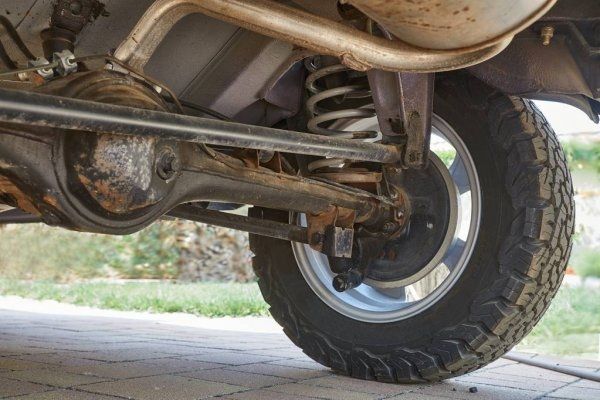
Look for fresh oil around the cover seam, the pinion where the driveshaft enters, axle seals, or fill and drain plugs. A rear axle seal leak may leave oil near the inside of a wheel rather than below the center of the car. Oil can travel along the housing, so the lowest drip is not necessarily the source.
A dusty film or slight seep is different from an active leak. Residual oil after service can also look like a leak. Cleaning and rechecking the area, together with checking the level, helps avoid replacing sound parts.
How to Check if Your Differential Is Leaking
Start with the drivetrain layout. Rear-wheel-drive vehicles generally have a rear differential. Most front-wheel-drive vehicles integrate the differential into the transmission assembly, called a transaxle. Many AWD and 4WD vehicles have front and rear drive units; their fluids and inspection procedures may differ. Check the exact vehicle specification.
Differential oil under your car
On level ground, with the engine off and components cool, place clean cardboard under the suspected area and record where fresh drops appear. Use a flashlight from a safe position. Never crawl under a vehicle supported only by a jack.
Gear oil is often amber, brown, or dark after use, but color cannot reliably identify a fluid. Some transaxles share transmission fluid with the differential. Motor oil, transmission fluid, brake fluid, and grease from a torn CV boot can be mistaken for a differential leak. Ask a shop to confirm the source, especially near the front of the car.
Leaking rear differential gasket, pinion seal, or axle seal?
| Where fresh oil appears | Possible source | What needs checking |
|---|---|---|
| Along the cover-to-housing seam | Cover gasket or RTV sealant; damaged cover | Trace the highest fresh wet area and inspect the sealing surfaces |
| At the driveshaft entry or pinion flange | Pinion seal or worn sealing surface | Check bearing play, flange condition, and the breather |
| At an axle output or inside a rear wheel | Axle shaft or output seal | Inspect the shaft, bearing, and brakes for oil contamination |
| Around a fill or drain plug | Plug seal, washer, threads, or incorrect installation | Use the specified sealing method and torque |
| At the top vent or breather hose | Overfill, venting problem, or application-specific fault | Check the fluid level and vent system before replacing seals |
| On the case away from seams | Cracked or corroded housing; oil traveling from elsewhere | Clean and trace the source; assess housing damage |
A technician may clean the housing and use a compatible leak-detection dye when the source is unclear. Wetness around the bottom of a cover does not by itself prove the gasket has failed.
Why Differentials Leak or Fail
A leak and a failed differential are separate problems. Worn seals, damaged gasket surfaces, a blocked breather, overfilling, corrosion, or impact damage can cause oil loss while the gears are still serviceable. Bearing wear or a grooved shaft can also make a new seal leak again.
Internal failure can follow low lubrication, incorrect fluid, water contamination, excessive loads, or incorrect bearing preload and gear setup. Age and hard use add wear. A front differential can suffer similar problems, but access and repair procedures depend on the vehicle.
Can You Drive With a Leaking Differential?
There is no reliable safe mileage or time limit. A few drops do not tell you how much oil remains, and a leak can worsen while driving. Have the fluid level and leak assessed before continuing to use the car.
| Condition | Recommended action |
|---|---|
| Light film or slow seep, no symptoms | Arrange a level check and source inspection. Monitor only after the condition is assessed |
| Fresh drips or recurring puddle | Have the level and leak checked promptly before further driving; a tow may be necessary |
| Grinding, severe vibration, binding, or loss of drive | Stop safely and arrange a tow |
| Smoke, rapid fluid loss, or oil on brake components | Do not drive; arrange towing and inspection |
Loss of lubricant can overheat and damage gears and bearings. In a severe failure, the vehicle may lose drive or a wheel may lock. Avoid highway trips, towing loads, or driving around to see whether the noise gets worse. Tell the tow operator whether the vehicle is AWD or 4WD so the correct towing method can be used.
What to Do if the Differential Is Leaking
- Check for urgent symptoms. Stop for grinding, binding, heavy vibration, smoke, or brake contamination.
- Document the leak. Photograph fresh wet areas and note recent fluid service, impacts, towing, or water exposure.
- Get a diagnosis. Ask for the source, fluid level, and any evidence of gear or bearing damage.
- Request an itemized estimate. Separate the leak repair from optional fluid service and any internal repairs.
- Choose repair or sale based on the whole car. An accessible seal leak on an otherwise sound vehicle is often worth repairing.
Topping up may restore a low level temporarily, but it does not repair the leak. Use only the specified lubricant and level procedure. Do not overfill or add thicker oil to hide noise.
How to Fix a Differential Leak
The repair must match the source. Removing the cover will not fix every differential seal leak.
- Cover gasket or sealant: Drain as required, inspect the cover and mating surfaces, reseal using the specified gasket or RTV, and follow the tightening sequence and cure time.
- Pinion seal: Inspect the flange and bearings and replace the seal using the manufacturer's procedure. Pinion bearing preload and crush-sleeve requirements matter; blindly tightening the nut can damage the unit.
- Axle or output seal: Remove the necessary axle components, inspect sealing surfaces and bearing play, replace the seal, and address any contaminated brakes.
- Plug or breather issue: Correct the sealing or vent problem and set the fluid level to specification.
- Housing or internal damage: A specialist may recommend a rebuild or replacement rather than resealing.
After repair, refill with the approved fluid, check for fresh leakage, and perform a controlled verification drive only when the vehicle is safe. Limited-slip units may need a particular fluid or friction modifier; do not add one unless specified. Gear backlash adjustment is an internal setup task, not a routine cure for an oil leak.
Differential Leak Repair Cost in the U.S.
Use these broad planning ranges for parts and labor, not a quote for your car. Prices vary with axle design, local labor rates, access, fluid requirements, and whether shafts or bearings are damaged. Diagnosis, taxes, fees, and additional repairs may be extra.
| Work | Approximate budget | Main cost factors |
|---|---|---|
| Accessible cover reseal and refill | $200–$500 | Gasket or RTV, fluid, cover condition, access |
| Axle or output seal repair | $300–$800 per repair | Axle removal, bearing wear, sealing surface, brake contamination |
| Pinion seal replacement | $300–$800 | Access and bearing preload procedure; related parts can add substantially |
| Internal rebuild or assembly replacement | $1,500–$4,000+, sometimes considerably more | Gear and bearing damage, used vs. rebuilt vs. new assembly, vehicle type |
For a current reference, RepairPal's September 2026 national estimate for pinion seal replacement is $419–$558 before taxes, fees, and related work. That specific estimate is narrower than the planning ranges above. Front and rear differential repairs do not necessarily cost the same; integrated or electronically controlled units can be substantially more expensive.
Repair or Replace a Leaking Differential?
Repair the leak when the gears and bearings are sound and the problem is an external seal, cover, plug, or vent. Consider a rebuild or replacement when inspection finds damaged gears, significant bearing wear, housing damage, or persistent noise linked to internal wear.
Before approving an assembly, ask the shop to explain the diagnosis, parts choice, warranty, and total installed cost. For AWD or 4WD vehicles, confirm the replacement axle ratio and compatibility. Compare the bill and other near-term repairs with the cost of obtaining a dependable replacement vehicle.
How to Prevent Severe Differential Damage
- Follow the vehicle's maintenance schedule and severe-use guidance for towing or demanding conditions.
- Have leaks and lubricant levels checked during routine service; a sealed unit can still need inspection.
- Use the exact fluid specification and any required limited-slip additive.
- Check vents and inspect for contamination after deep-water exposure.
- Investigate new noise, wetness, or vibration early rather than repeatedly topping up.
Selling a Car With a Broken Differential
A small leak alone is not a reason to junk a good car. If internal differential damage comes with major engine, transmission, rust, or other problems, compare repair costs with an as-is offer. We can provide an offer to sell your damaged car; if it no longer moves, we also buy non-running cars.
If a collision caused the damage, we can also assess your wrecked or crashed car. Tell us about the condition, whether the wheels roll, and any access restrictions so pickup can be planned.
- Call (855) 547-1550 or send an online application with the year, make, model, mileage, and condition. Our scrap car value calculator provides a starting estimate.
- Review the offer and confirm ownership documents, payment, and pickup details. Requirements depend on the vehicle and state.
- Arrange free towing. Same-day pickup may be available depending on location and scheduling.
FAQ
How long can you drive with a differential leak?
There is no guaranteed safe distance. Have the fluid level and leak checked before driving. Arrange a tow for rapid fluid loss, grinding, severe vibration, binding, smoke, or oil on the brakes. A small seep may only need monitoring after a technician confirms the level and condition.
What are some rear differential failure symptoms?
A speed-related whine or howl, grinding, clunks, vibration, binding in turns, and loss of drive can indicate rear differential trouble. These symptoms can also come from wheel bearings, tires, CV joints, or driveshaft parts. A leak alone does not prove the gears have failed.
What causes a rear differential to go bad?
Low or incorrect lubricant, contaminated oil, worn bearings, incorrect gear setup, overloading, and impact damage can cause failure. A leaking seal or blocked breather may contribute by allowing oil loss. Proper maintenance reduces risk but cannot prevent every failure.
What happens if the rear differential goes out while driving?
Depending on the failure, the vehicle can lose drive, develop severe noise or binding, or experience wheel lockup. Ease off the accelerator, move to a safe stopping place if possible, and arrange a tow. Do not keep driving to test the noise.
How do I check the rear differential fluid?
Follow the service manual for the exact axle. With the vehicle level and safely supported, a technician checks the fluid at the specified fill or inspection point. Some units fill to the lower edge of the hole; others require a different level or procedure. Looking for drips does not measure how much oil remains.
How do I repair a differential leak?
First identify the source. A cover leak needs the specified gasket or sealant; a pinion seal or axle seal leak needs the correct seal repair and inspection of related bearings and sealing surfaces. Check the breather, refill with the approved lubricant, and verify the repair. A fluid change alone does not fix a failed seal.
How much does differential leak repair cost?
For budgeting in the U.S., many accessible cover reseals run about $200–$500, while axle or pinion seal jobs often run about $300–$800 per repair. Difficult access or bearing damage can cost more. Get a vehicle-specific written quote that states whether diagnosis, fluid, taxes, and related work are included.
Will differential stop-leak fix a leaking seal?
An additive will not repair a torn seal, worn shaft, cracked housing, or bearing play. Use only products approved for the exact differential, particularly with limited-slip or electronically controlled units. Diagnose and repair the source instead of relying on an additive or thicker oil.

 Like
 x.com