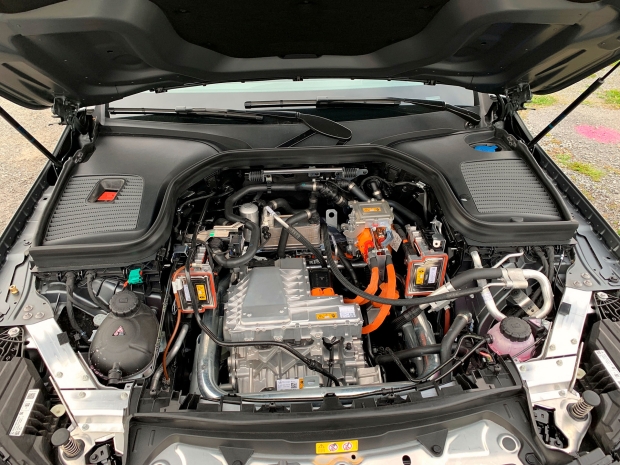
A straightforward engine rebuild typically costs about $2,500 to $4,000 in the U.S., including parts and labor. A large V8, a diesel pickup, or damage that requires extensive machining can push the price higher. Before you approve a teardown, ask what the shop has confirmed and what it still needs to inspect.
Engine Rebuild Cost by Engine Type
Use these independent-shop estimates to budget for a full rebuild. They reflect published U.S. repair guides and vary with the engine code, condition, and local labor rate. Ask for a VIN-based quote to price your vehicle.
| Engine type | Estimated rebuild cost | What can raise the bill |
|---|---|---|
| Common gasoline 4-cylinder | $2,500–$4,500 | Cylinder wear, damaged head, turbocharged layout |
| Gasoline V6 | $3,500–$6,500 | Work on both cylinder heads, tight engine bay |
| Gasoline truck V8 | $4,500–$8,000 | More parts, worn camshaft or crankshaft |
| Heavy-duty pickup diesel V8 | $8,000–$18,000 | Heavy-duty parts, machining, and labor. Fuel-system or turbo work may be extra. |
A rebuild kit or a machine-shop quote for a block you bring in covers a smaller scope. Ask whether removal, reinstallation, fluids, taxes, and diagnostics are included in the total.
What Does an Engine Rebuild Include?
The shop tears down your engine, measures parts against service limits, and checks the block, crankshaft, and cylinder heads for damage. It machines reusable parts as needed and replaces worn components such as piston rings, bearings, gaskets, and seals. A full rebuild may include work on the cylinder heads, while a top-end repair addresses components above the block.
- Shop labor. Diagnosis, removal and installation, teardown, reassembly, and testing.
- Machine-shop work. Cleaning, crack inspection, cylinder honing or boring, crankshaft work, and resurfacing where needed.
- Parts and supplies. Internal components, timing components where required, fluids, filters, and any failed part that caused the original damage.
Ask what the shop will charge if teardown reveals a cracked block or damage beyond the estimate. Request a call for approval before it orders parts or starts additional work.
Rebuild or Replace the Engine?
| Option | When it makes sense | What to verify |
|---|---|---|
| Rebuild your engine | The block and major castings can be reused, or you want to keep the original engine. | What gets machined or replaced and what the warranty covers. |
| Install a used engine | You need a lower-cost repair and a compatible donor engine is available. | Donor mileage, fitment, and whether the warranty pays labor if the engine fails. |
| Install a remanufactured engine | The original engine has major damage or you want a unit with documented warranty terms. | Installed cost, core deposit and return rules, and which accessories are included. |
| Install a new engine | You plan to keep a valuable vehicle long enough to justify the higher cost. | Availability, fitment, installation requirements, and warranty. |
Compare quotes for the same scope. A short block generally includes the block and rotating assembly. A long block adds cylinder heads and valvetrain. Confirm whether the shop will reuse or replace the turbo, injectors, water pump, and other bolt-on parts. Ask whether any programming or relearn procedure is included.
For an apples-to-apples comparison, ask for the final installed price and the earliest realistic pickup date. A rebuild depends on teardown and machining. A swap can save shop time when the right engine is in stock, but shipping or a backorder can erase that advantage.
Example. A $2,200 used engine plus $1,600 in installation and $250 in fluids and supplies totals $4,050 before tax. A $3,800 rebuild quote plus $500 for machining totals $4,300 before tax. A $250 price difference may matter less than whether the warranty covers a second installation.
Signs Your Engine Needs Diagnosis
Knocking, oil consumption, and low compression can come from different faults. Ask the shop to identify the cause before approving a rebuild.
- Deep knocking or an oil-pressure warning. Pull over safely, shut off the engine, and arrange a tow. The shop can verify oil pressure and check for metal in the oil or filter.
- Blue smoke or frequent oil top-offs. Ask the shop to check for external leaks, crankcase ventilation problems, turbo seals if equipped, and worn rings or valve seals.
- Overheating, coolant loss, or persistent white exhaust after warmup. The shop can pressure-test the cooling system and check for combustion gases. Keep the radiator and pressurized reservoir caps closed while the engine is hot.
- Misfires, rough running, or low power. A compression test and cylinder leak-down test can help distinguish leaking valves, piston-ring wear, and head gasket issues. Ignition and fuel faults can also cause a misfire.
- Sludge or coolant in the oil. Ask what caused the contamination and whether it damaged the bearings or restricted oil flow.
Is Rebuilding an Engine Worth It?
Rebuilding can make sense if the car is otherwise dependable, the original engine can be repaired, and the quote comes with a warranty you can use. If the car also needs transmission work, has serious rust, or has a major electrical issue, add those costs before deciding.
- Get a written installed price, plus a separate estimate for repairs the car will need soon.
- Check the local value of a comparable running car and get a real as-is offer for yours.
- Compare both figures with the cost of buying a replacement, including taxes and fees. If you plan to keep the car, consider how long you expect to drive it and how much downtime you can handle.
Example. If your car is worth $6,000 running and you have a $1,200 as-is offer, repairing it would add about $4,800 in resale value. A $4,500 rebuild leaves $300 before any other costs. That is a thin margin if you plan to sell, though repairing may still make sense if you intend to keep a car you know.
When It Makes Sense to Sell the Car As Is
If you’re already comparing replacement options, see when it makes sense to skip an engine replacement. If you’re weighing a repair quote against an as-is offer, you can sell a car with a blown engine without paying for a rebuild first. To get an offer from JunkCarsUs and ask about free towing, call (855) 547-1550.
FAQ
How much does it cost to rebuild an engine?
Budget about $2,500 to $4,000 for parts and labor on a straightforward passenger-car engine rebuild. The price can rise substantially if the engine needs extensive machining, the block or crankshaft is damaged, or you have a large V8 or diesel.
Is a diesel engine rebuild cost higher?
Often, especially for a heavy-duty pickup diesel. Parts, machining, and labor can cost more, and the estimate may exclude injectors, the high-pressure fuel pump, and the turbocharger. Ask the shop to separate those items.
What is the labor cost to rebuild engines?
Multiply the shop’s billed hours by its labor rate. For example, 18 hours at $150 per hour is $2,700 in labor. That is an illustration. Ask whether teardown, reinstallation, and machine-shop work are included or billed separately.
How long does an engine rebuild take?
Ask for a completion date after inspection. Billed labor hours cover hands-on work. Calendar time also depends on parts availability, the machine-shop queue, and testing after installation.
Is it cheaper to rebuild or replace an engine?
A compatible used engine can cost less to install than rebuilding a badly damaged engine. If your block and heads are reusable, a rebuild may be competitive with a remanufactured replacement. Compare installed totals and written parts-and-labor coverage.

 Like
 x.com